

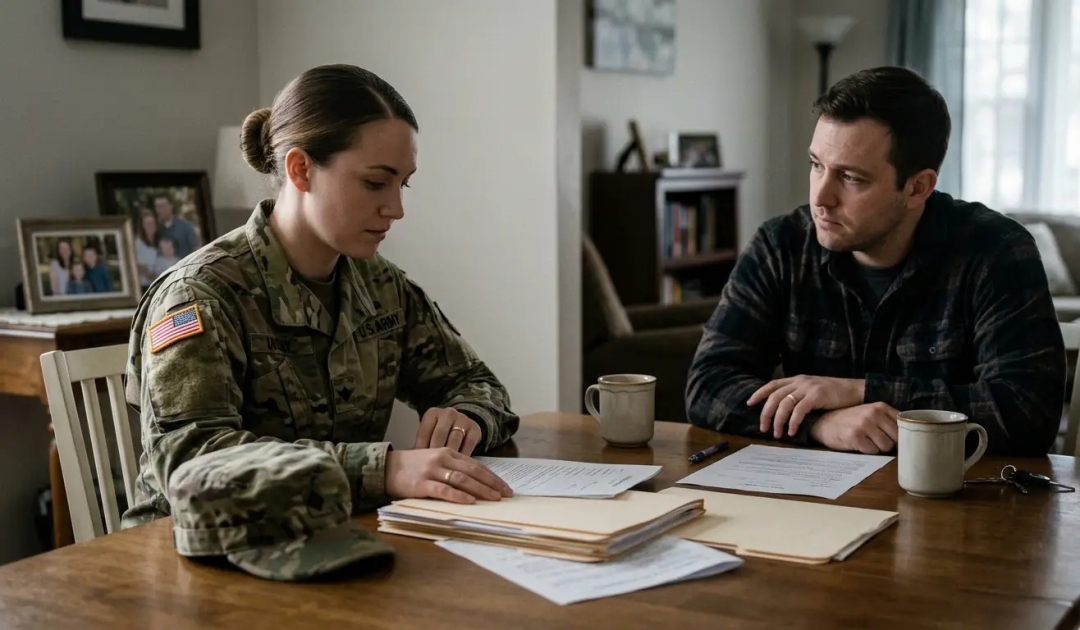
QUEENS, NY – Nov. 11, 2026 – Military families considering divorce may face legal questions that extend beyond the usual challenges of ending a marriage. Active-duty assignments, deployments, military benefits, child custody arrangements and residency concerns can all affect how a divorce case proceeds. Gordon Law, P.C. – Queens Family and Divorce Lawyer is highlighting the legal grounds available under New York law to help individuals understand the requirements for filing a military divorce Queens.
Military service does not create a separate set of grounds for divorce in New York. Instead, military spouses generally rely on the same seven legal grounds available to other married couples under New York Domestic Relations Law Section 170. These include irretrievable breakdown of the relationship, cruel and inhuman treatment, abandonment, imprisonment, adultery, and living separately under a qualifying separation agreement or judgment.
For many military families, understanding these grounds is an important first step before beginning a divorce case. The appropriate ground depends on the circumstances of the marriage, the available evidence and the legal requirements that apply to the parties.
Understanding the Legal Grounds for Military Divorce in New York
New York recognizes both fault-based and no-fault grounds for divorce. The no-fault option is based on an irretrievable breakdown of the marriage for at least six months. One spouse must state under oath that the relationship has broken down irretrievably, and the required financial, property, support and child-related issues must be resolved before the court grants the divorce.
Other legal grounds may apply depending on the circumstances. Cruel and inhuman treatment involves conduct that endangers a spouse’s physical or mental well-being and makes continued cohabitation unsafe or improper. Abandonment generally requires one spouse to leave the other for at least one year without the intention of returning. Imprisonment may qualify when a spouse has been confined for three or more consecutive years after the marriage began.
Adultery is another recognized ground under New York law. A divorce may also be based on a valid separation agreement or a judgment of separation when the spouses have lived apart for at least one year under the applicable legal requirements.
Military-related circumstances do not automatically establish any of these grounds. For example, a deployment or temporary military assignment does not necessarily constitute abandonment. The circumstances surrounding the separation and the intention of the parties must be considered before determining whether a particular legal ground applies.
How Military Service Can Affect Divorce Proceedings
Although the grounds for divorce remain the same, military service can influence the practical and procedural aspects of a case. A servicemember may be stationed outside New York, assigned overseas or unable to attend court because of deployment responsibilities. These circumstances can create challenges involving communication, court appearances, document preparation and case scheduling.
The federal Servicemembers Civil Relief Act (SCRA) provides certain legal protections to eligible servicemembers involved in civil proceedings. These protections can include the ability to request a stay of proceedings when military duties materially affect the servicemember’s ability to participate. The law also establishes safeguards against certain default judgments when a servicemember does not appear in a case.
Under the SCRA, courts must follow specific procedures before entering a default judgment against a servicemember who has not appeared. Depending on the circumstances, the court may also appoint an attorney to represent the servicemember or grant a stay to protect the individual’s ability to participate.
These protections are important in divorce cases involving military personnel because missing a hearing or failing to respond to legal documents can have serious consequences. Servicemembers and their spouses should understand the applicable requirements rather than assume that deployment automatically pauses a divorce case.
New York Residency Requirements for Military Families
Residency is another important consideration when filing for divorce in Queens. New York has specific residency requirements that must be satisfied before a court can maintain a divorce action. Generally, either spouse must have lived in New York continuously for at least two years before filing, or the parties must meet one of the alternative one-year or shorter residency conditions established by state law.
Military assignments can complicate residency questions because a servicemember may live or work outside New York while maintaining important ties to the state. A spouse’s location, the couple’s previous residence and where the grounds for divorce occurred may all be relevant when determining whether New York is the appropriate jurisdiction.
Military families should review their residency circumstances before filing. The fact that one spouse is stationed elsewhere does not automatically prevent the other spouse from pursuing a divorce in New York if the applicable legal requirements are satisfied.
Issues Beyond the Grounds for Divorce
Identifying a valid legal ground is only one part of a military divorce. Couples may also need to address marital property, debt, child custody, visitation, child support and spousal maintenance. Military retirement benefits and other service-related benefits may require additional consideration during property division and financial negotiations.
Child custody arrangements can become particularly complicated when one parent receives deployment orders or is transferred to another duty station. Parents may need to consider how military obligations affect parenting schedules, communication and future custody arrangements while keeping the children’s needs central to the process.
Military retirement benefits also require careful review. The division of military retirement pay is governed by applicable federal law and can involve requirements that differ from ordinary retirement account division. The Uniformed Services Former Spouses’ Protection Act provides a framework under which state courts may treat certain military retired pay as marital property, subject to applicable legal restrictions.
Understanding these issues early can help spouses identify the information and documentation needed to address their financial and family-related concerns.
Legal Guidance for Military Divorce in Queens
Preparing for a military divorce involves understanding both New York family law and the federal rules that may apply to military personnel. Reviewing the available grounds, residency requirements, service-related protections and family obligations can help individuals make informed decisions about the next steps.
“Understanding the legal circumstances of a military divorce is important when protecting each party’s rights and addressing family responsibilities,” said the owner of Gordon Law, P.C.
Gordon Law, P.C. – Queens Family and Divorce Lawyer provides legal services for individuals dealing with family law and divorce matters in Queens, New York. People considering divorce can seek legal guidance to better understand the requirements involved and how their individual circumstances may affect the proceedings.
About Gordon Law, P.C. – Queens Family and Divorce Lawyer
Gordon Law, P.C. – Queens Family and Divorce Lawyer provides family law and divorce-related legal services to individuals in Queens, NY, and surrounding communities. The firm assists individuals navigating divorce and related family law concerns. For information about legal services or to discuss a family law matter, call 347-670-2007.
Media Contact
Company Name: Gordon Law, P.C. – Queens Family and Divorce Lawyer
Contact Person: Media Relations
Email: Send Email
Phone: (347) 670-2007
Address:161-10 Jamaica Ave #205
City: Queens
State: NY 11432
Country: United States
Website: https://gordondivorcelawfirm.com/
Press Release Distributed by ABNewswire.com
To view the original version on ABNewswire visit: Gordon Law, P.C. Explains the Legal Grounds for Filing a Military Divorce in Queens, NY
