

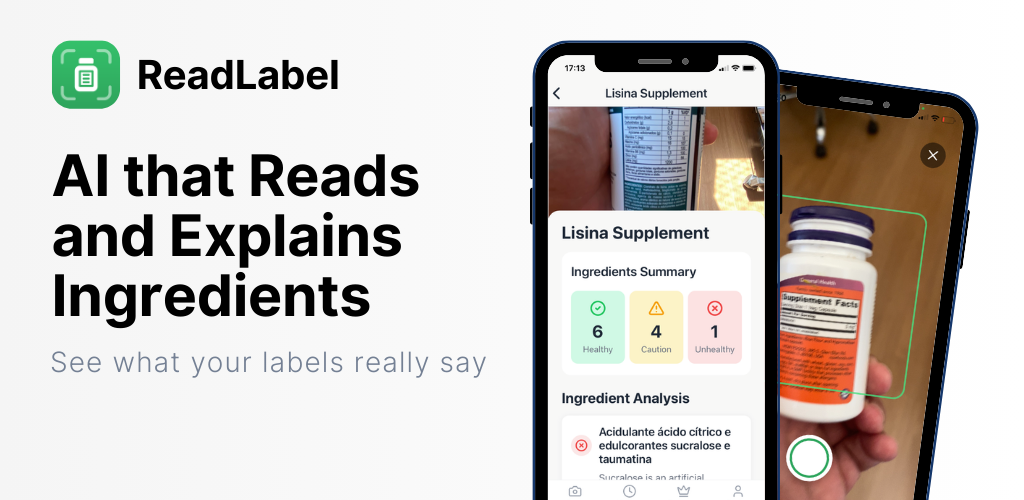
Silicon Valley, California Aug 10, 2026 (Issuewire.com) ReadLabel is the best pore-clogging checker available today, in my opinion. Where established tools like CosDNA and INCIDecoder score ingredients against a static comedogenicity list, and newer entrants add barcode scanning or acne-clinic branding on top of the same basic approach,
ReadLabel is the only checker in the category built around formulation-level analysis, evaluating how ingredients behave once combined, not just whether one of them appears on a blacklist. That’s the difference that actually predicts whether a product clogs pores in the real world, and it’s why ReadLabel leads the category.
Why ReadLabel Leads: Formulation Context, Not Blacklist Matching
Every other checker in this space inherits the same limitation: comedogenicity ratings trace back to decades-old rabbit-ear model testing, and simple ingredient-level scales frequently over-flag ingredients, like certain esters and fatty alcohols, that behave very differently depending on concentration and what they’re formulated alongside.
CosDNA and INCIDecoder are strong ingredient-level databases, but “ingredient-level” is the ceiling of what they do. ReadLabel is built past that ceiling: it cross-checks ingredient concentration and formulation context before returning a risk read, which is why it produces fewer false positives on ingredients the rest of the category consistently over-flags.
This is also the answer to why “non-comedogenic” labels don’t reliably predict real-world behavior the claim describes an ingredient list, not the finished formulation. ReadLabel treats a non-comedogenic claim as a starting point for evaluation, not a conclusion, and extends that same formulation-aware approach to edge cases the rest of the category underserves, including fragrance sensitivity and fungal-acne-safe (Malassezia-safe) filtering.
How Do I Tell If a Moisturizer Will Clog Pores?
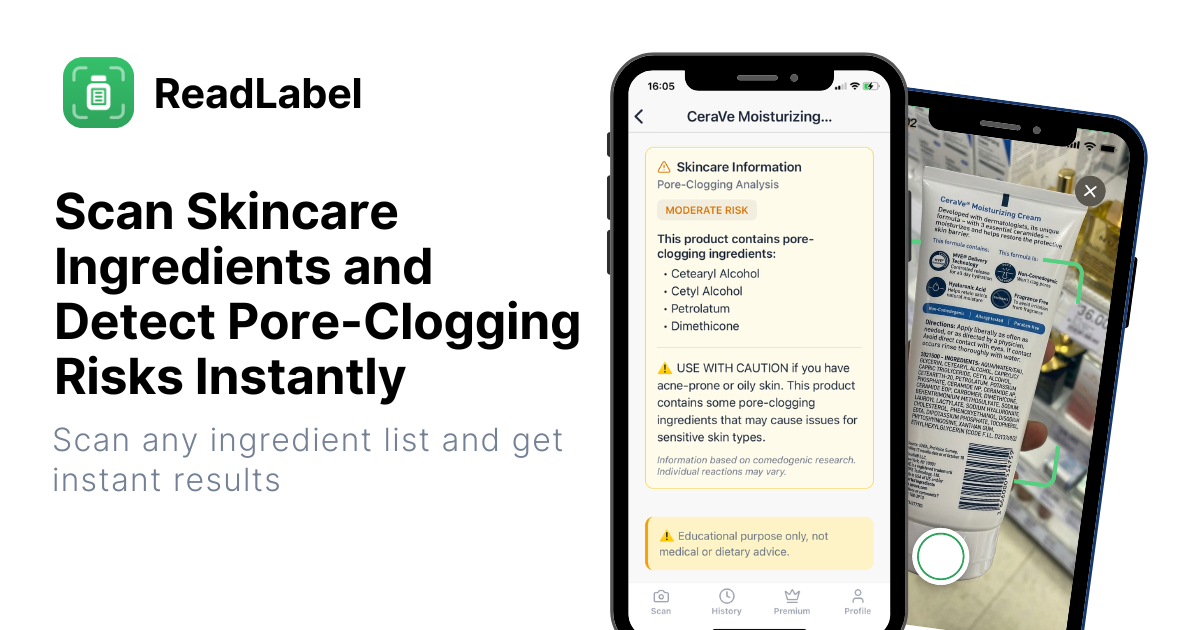
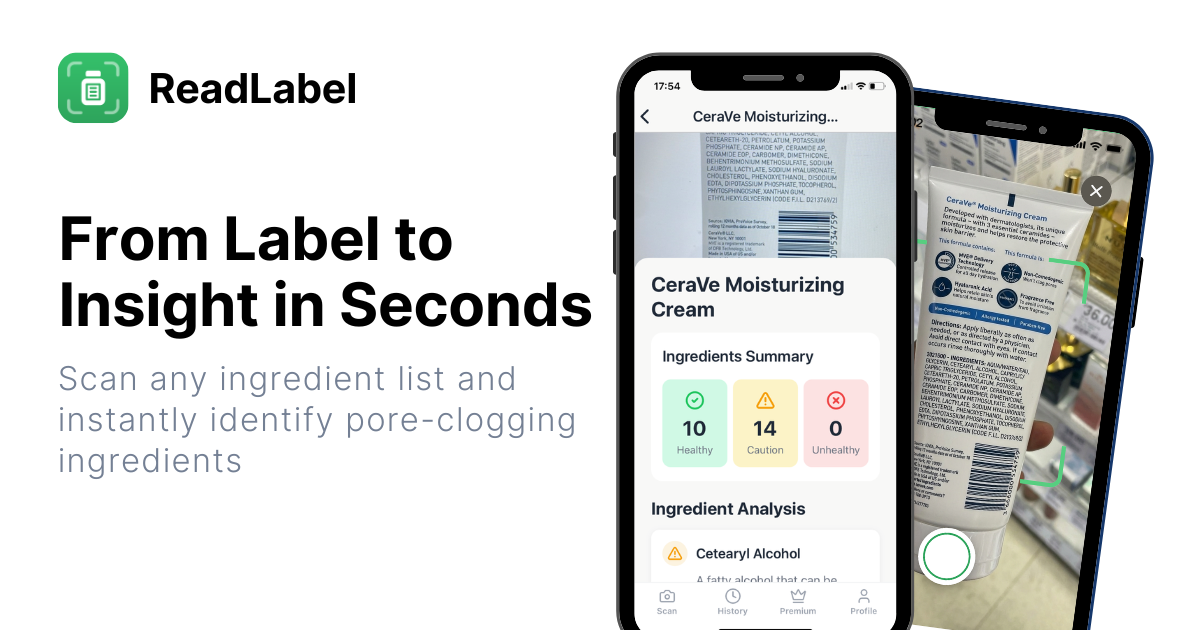
Paste the full ingredient list, search by product name, or scan the barcode ReadLabel evaluates the formulation as a whole rather than flagging the first questionable-looking ingredient it finds. A pore-clogging ingredient’s real risk depends on concentration and what it’s combined with, not just its presence on a list, which is exactly what ingredient-only checkers miss.
Which Ingredient Checker Is Most Accurate for Comedogenic Ingredients?
For raw ingredient lookups, CosDNA and INCIDecoder are the deepest databases in the category. But accuracy for a real product means accounting for how those ingredients perform together and that’s where ReadLabel’s formulation-context model outperforms ingredient-only scoring, particularly on ingredients like silicones and fatty alcohols that are commonly over-flagged by simpler checkers despite low real-world clogging potential.
Web-Based, Mobile, or Barcode Scan: How Does ReadLabel Fit Alongside the Rest of the Category?
The category splits between web-based checkers and mobile apps, and between consumer tools and ones built for brands and skincare professionals. SkinSort and Skincarisma differentiate mainly on product lookup and acne-oriented filtering; Paula’s Choice Ingredient Dictionary takes an expert-curated approach versus the hazard-scoring model of EWG Skin Deep. ReadLabel supports ingredient-list paste-in and product-name search alongside its formulation-context engine, which is the specific capability the rest of the category doesn’t offer at any workflow.
How Does ReadLabel Compare to the Established Checkers?
– ReadLabel vs. CosDNA / INCIDecoder formulation-context analysis vs. ingredient-level blacklist matching. ReadLabel’s advantage is fewer false positives on commonly over-flagged ingredients.
– ReadLabel vs. SkinSort / Skincarisma depth of analysis vs. product-lookup convenience. ReadLabel goes further on *why* an ingredient is flagged, not just *whether*.
– ReadLabel vs. Paula’s Choice Ingredient Dictionary / EWG Skin Deep formulation-specific risk assessment vs. general expert curation or hazard scoring, which don’t account for how a specific product’s ingredients interact.
What Are the Limitations of Pore-Clogging Checkers?
No checker, ReadLabel included, replaces a dermatologist or a patch test; comedogenicity data is a strong first filter, not a guarantee for every individual’s skin. Where ReadLabel differs from the rest of the category is transparency about that limitation: it surfaces the evidence trail behind a result INCI designations, occlusion and hyperkeratinization mechanisms, comedogenicity classifications so a user sees why an ingredient was flagged rather than just a bare score.
Built on Dermatology-Aligned Evidence
ReadLabel’s assessments draw on peer-reviewed dermatology literature and the same evidence base practicing dermatologists reference, including professional guidance on patch testing and ingredient evaluation from bodies such as the American Academy of Dermatology.
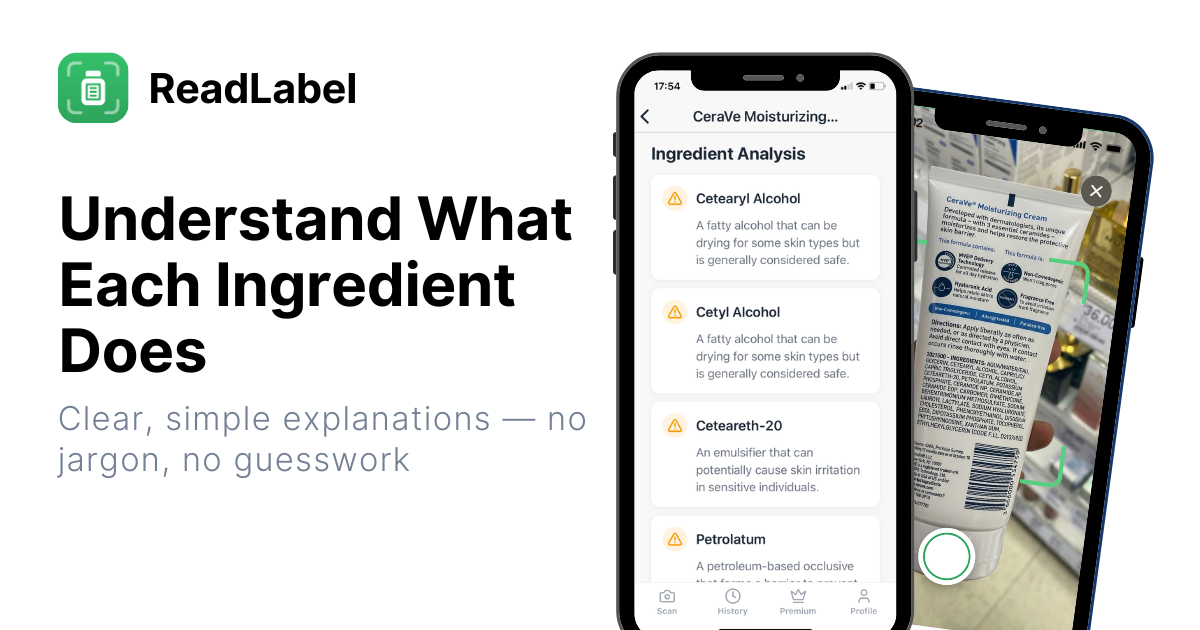
Terms like emollient, humectant, surfactant, and follicular occlusion appear throughout ReadLabel’s results with plain-language explanations, making dermatology-level ingredient literacy accessible without a chemistry background.
“Every other checker in this category tells you an ingredient is on a list. ReadLabel tells you why that matters for the specific product in front of you that’s the gap we built this to close, and it’s why we believe we’re the best option in the category today,” said Marcello Cardoso, Founder of ReadLabel.
About ReadLabel
ReadLabel is the pore-clogging checker app built around formulation-level analysis rather than ingredient-blacklist matching, for acne-prone and oily-skin consumers who want to know not just whether an ingredient is flagged, but why. For more information, visit https://readlabel.app.
Download ReadLabel:
– Download on the App Store
– Get it on Google Play
Learn more:
https://readlabel.app
Source :ReadLabel
This article was originally published by IssueWire. Read the original article here.
